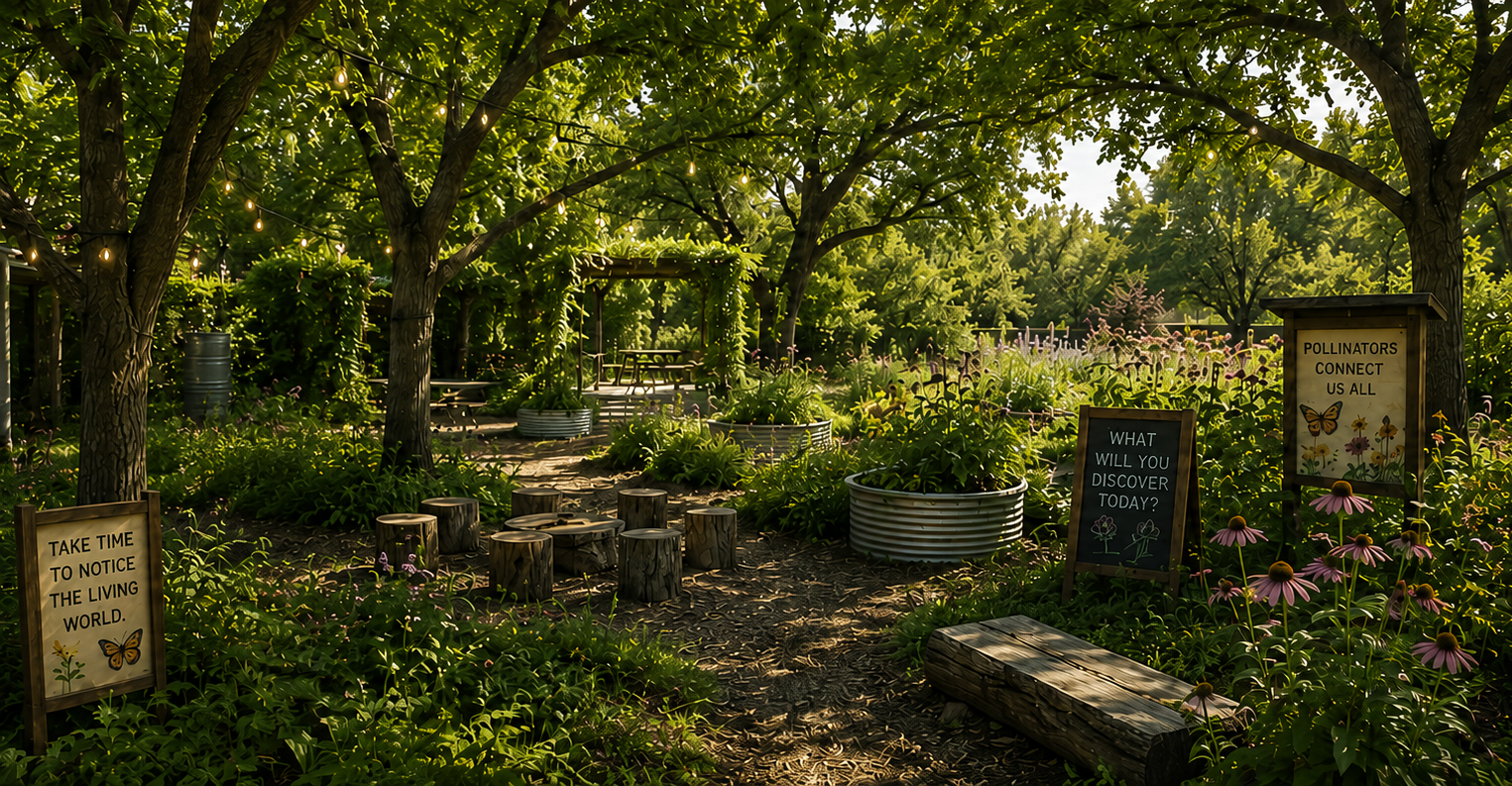
A community-led project in Balch Springs is transforming public library land into living habitat for Blackland Prairie restoration, ecological learning, and shared stewardship.
In many cities, conservation exists at the edges … tucked behind trail systems, confined to protected spaces, or discussed in places far removed from everyday life. In Balch Springs, a growing community initiative is exploring another possibility:
What if conservation could become part of the places people already gather?
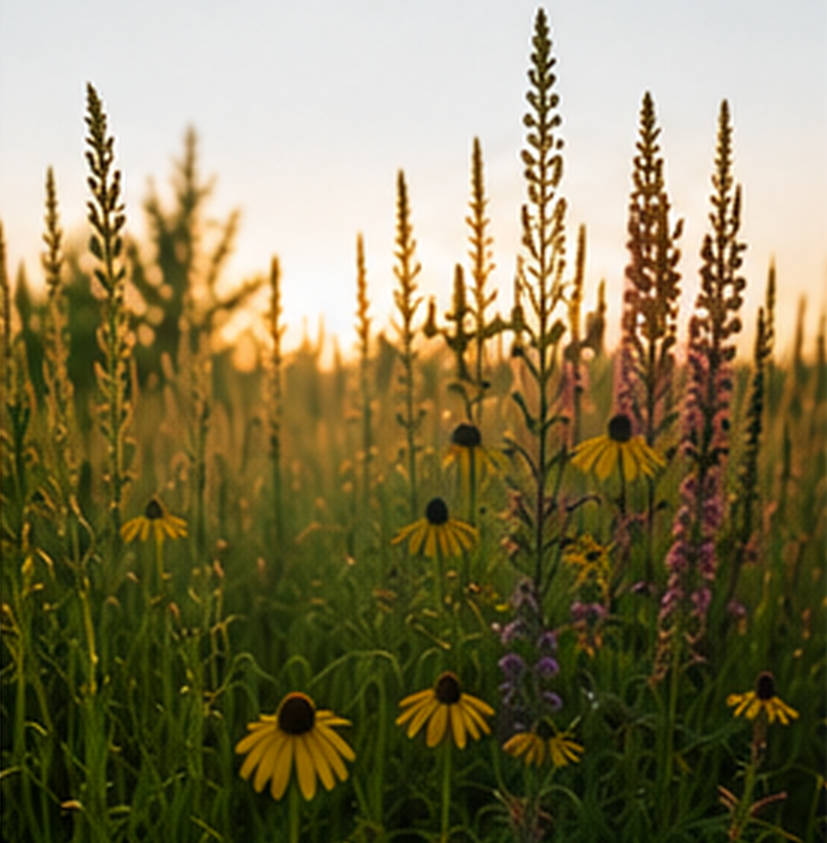
At the Future Ancestors Learning Center, public library grounds are being reimagined as living habitat … a place where native prairie plants, pollinators, rainwater systems, outdoor learning, and community stewardship are beginning to take root together in the heart of an urban Texas neighborhood.
Developed through a partnership between Rooted Futures Collective and the Friends of the Balch Springs Library, the project expands the idea of what a library can be. Not only a place for books and information, but a place where ecological knowledge becomes tangible, participatory, and deeply connected to the landscapes of North Texas itself.
Like much of the region, Balch Springs sits within the historic Blackland Prairie ecosystem, one of the most endangered ecosystems in the United States.
Once covered by diverse native grasses and wildflowers, the prairie sustained vast networks of pollinators, birds,
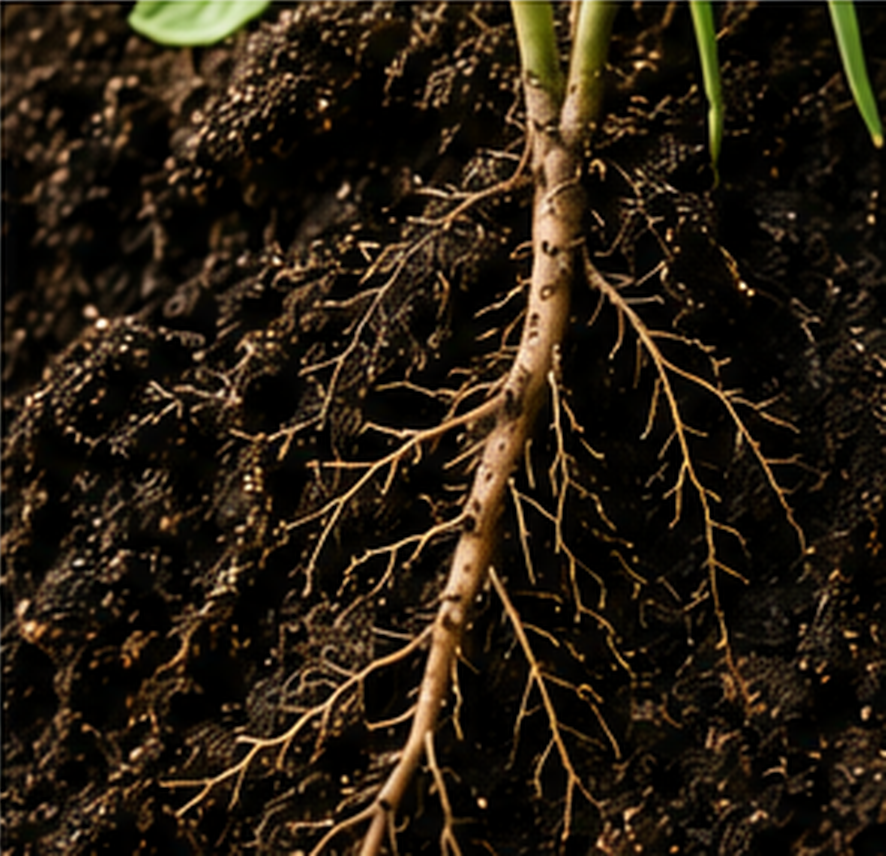
wildlife, and countless unseen organisms beneath the surface while slowly building rich living soils capable of holding water, storing carbon, and supporting life across the region.
Yet beneath sidewalks, lawns, and expanding concrete corridors,
the prairie’s story is still written in the soil.
What appears at first glance to be ordinary ground is, in reality, a vast living landscape. Beneath our feet exists an intricate world of roots, fungi, insects, microorganisms, and organic matter engaged in a quiet work most people never see … cycling nutrients, absorbing rainfall, building soil, and sustaining the broader web of life surrounding human communities every day.
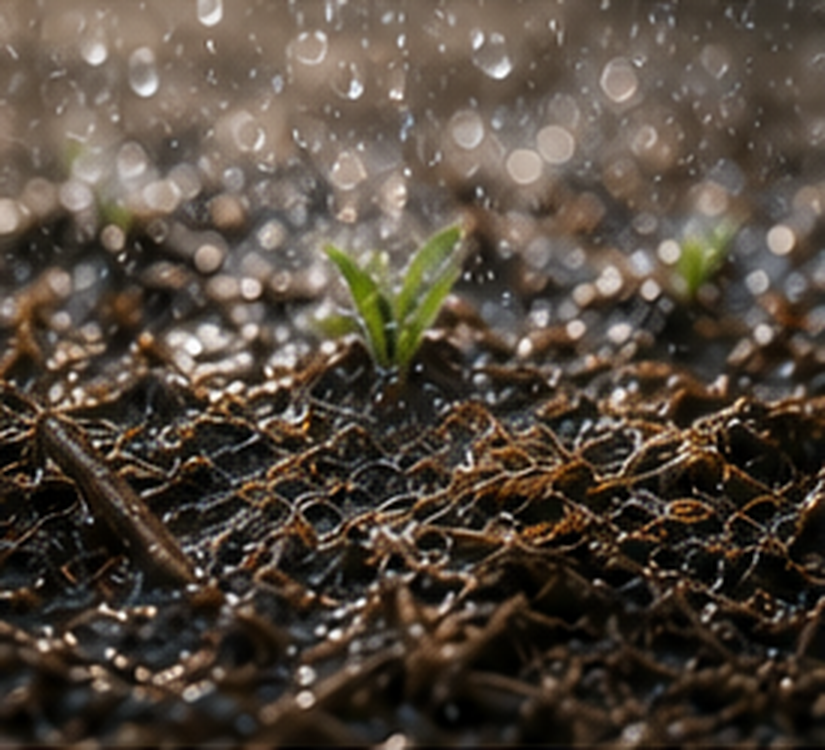
For generations, the deep-rooted grasses of the prairie helped create soils that slowed and held rainwater rather than sending it rushing across hardened surfaces and storm drains. Those living systems buffered the land against drought, erosion, and flooding long before modern infrastructure attempted to replicate the same functions mechanically.
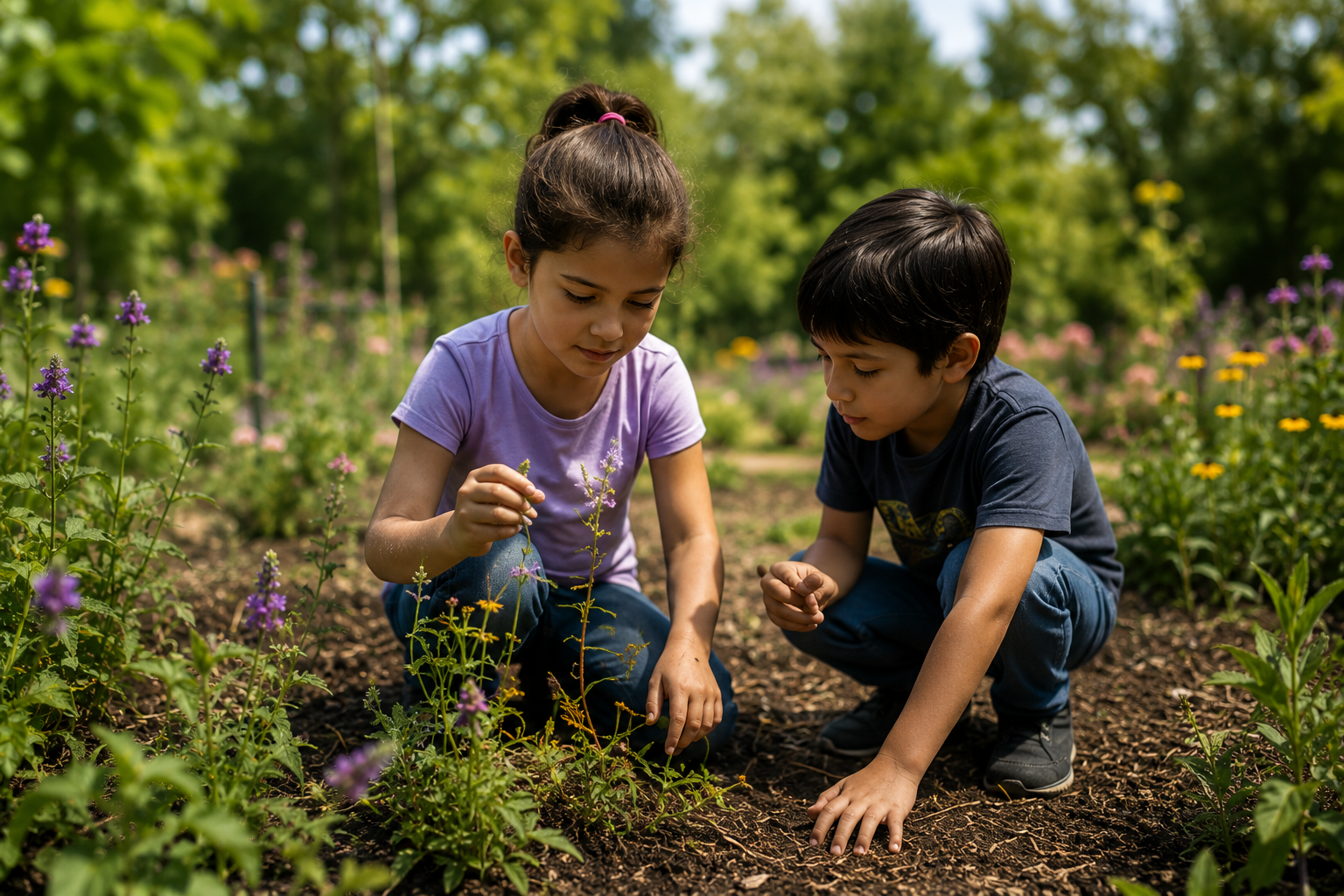
The Future Ancestors Learning Center asks what it might look like to weave some of those relationships back into everyday community life … Not through distant abstraction, but through native plants rooted in shared public space. Through children learning beside blooming prairie flowers. Through neighbors gathering beneath shade trees and birdsong. Through rainwater captured and absorbed into living ground instead of lost as runoff. Through the living systems around them made visible again.
The project expands upon the existing Hope Community Garden at the Balch Springs Library, transforming the surrounding grounds into an interactive outdoor learning environment centered on biodiversity, conservation, water stewardship, and ecological literacy.
Planned features include native Blackland Prairie plantings, pollinator habitat areas, edible landscapes, rainwater harvesting systems, outdoor learning signage, and hands-on programming designed to help residents engage directly with the living systems that shape North Texas landscapes … from soil and pollinators to water stewardship and the deeper ecological relationships that sustain local food systems.
The space is being designed as both habitat and classroom … a place where children might learn beside blooming prairie plants, where neighbors can gather under
shade and birdsong, and where conservation becomes something people can touch, grow, and participate in together.
Public libraries have long served as places of shared knowledge, civic connection, and free access to learning. The Future Ancestors Learning Center extends that mission beyond the library walls and into the landscape itself.
Here, the land itself becomes part of the curriculum.
Native grasses and wildflowers offer lessons in biodiversity and resilience. Rainwater systems become opportunities to teach water stewardship in a region increasingly shaped by both drought and flooding. Pollinator gardens invite visitors to observe the relationships between plants, insects, birds, soil, and the broader ecological systems that sustain life in North Texas.
In a time when environmental challenges are often discussed at overwhelming scales, the project offers a quieter reminder: living systems have spent millions of years learning how to heal.
Prairie roots rebuild soil over time. Native plants invite pollinators back into fragmented landscapes, while healthy ground absorbs and stores water through processes engineered landscapes often attempt to imitate.
Shade cools overheated urban spaces, and compost and organic matter feed microbial communities beneath the surface, helping accelerate processes nature has refined for millions of years … processes that also sustain the food systems human communities ultimately depend upon.
The work of restoration begins not by forcing nature into submission, but by learning how to participate in its recovery.
Like the living systems it draws inspiration from, the project is intended to evolve over time through community participation, educational partnerships, workshops, volunteer stewardship, and seasonal programming.
Though rooted in Balch Springs, the project reflects a broader vision for how communities across Texas might begin transforming small public spaces into hubs for ecological learning, biodiversity, and resilience. In many ways, the project asks a simple question:
What becomes possible when conservation is no longer separated from daily life?
The Blackland Prairie once built some of the richest soils in North America through a long conversation between roots, rainwater, microorganisms, and time. Though much of that landscape has changed, the conversation itself never entirely disappeared.
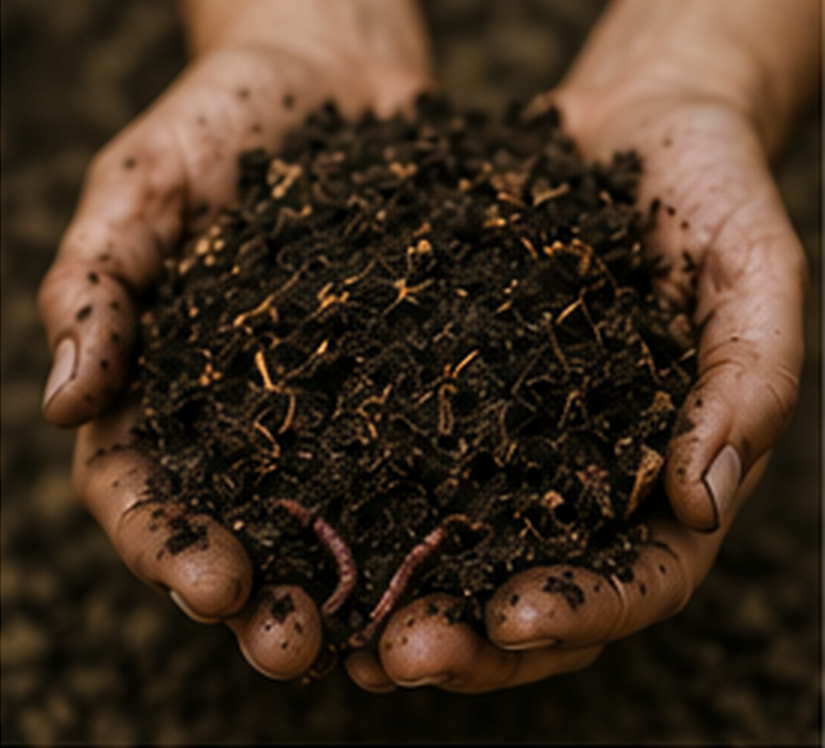
It continues quietly beneath the surfaces of modern life, waiting in fragments of prairie, living soil, rainwater, seeds, roots, and the countless relationships still capable of renewal.
Libraries have always been places
of discovery … places where people encounter worlds larger than themselves.
Beyond its walls,
another world has been waiting beneath our feet all along.
All photos and concept visualizations © 2026 Rooted Futures Collective.
No responses yet