Future Ancestors Ecological Resilience Network (FERN)
Restoring and reconnecting Balch Springs’ public landscapes as living natural infrastructure
Project FERN is a municipal-scale ecological restoration and green-infrastructure initiative led by Rooted Futures Foundation, an IRS-recognized 501(c)(3) public charity doing business as Rooted Futures Collective.
The initiative will restore and connect publicly managed landscapes throughout Balch Springs, Texas… strengthening biodiversity, water resilience, habitat connectivity, and community well-being.
Project FERN has been accepted as a project of the Texas Water Action Collaborative’s Project Matching program, which connects conservation projects with prospective funders and partners.
Project at a glance
Phase I funding needed: $160,000
Phase I timeline: 2026–2027
Five-year restoration goal: 15–30 acres
Connected landscape: 17.24 hydrological miles
Estimated annual water benefit: 250,000–500,000 gallons
Community broadly served: More than 25,000 Balch Springs residents
A Texas Water Action Collaborative (TxWAC) project
Project FERN participates in Project Matching through the Texas Water Action Collaborative, or TxWAC, an initiative of Texan by Nature.
TxWAC connects funders with projects that advance water conservation, restoration, resilience, and measurable environmental outcomes across Texas. Through this process, businesses, philanthropic institutions, public agencies, and other prospective supporters can learn about Project FERN and explore opportunities to help fund its implementation.
Organizations interested in supporting FERN through the TxWAC matching process can visit the official project-matching page or contact the TxWAC team for facilitation.
Interested in funding Project FERN? Contact programs@texanbynature.org for project-matching assistance, or contact Rooted Futures Collective to discuss sponsorships, in-kind contributions, and local partnerships.
What is Project FERN?
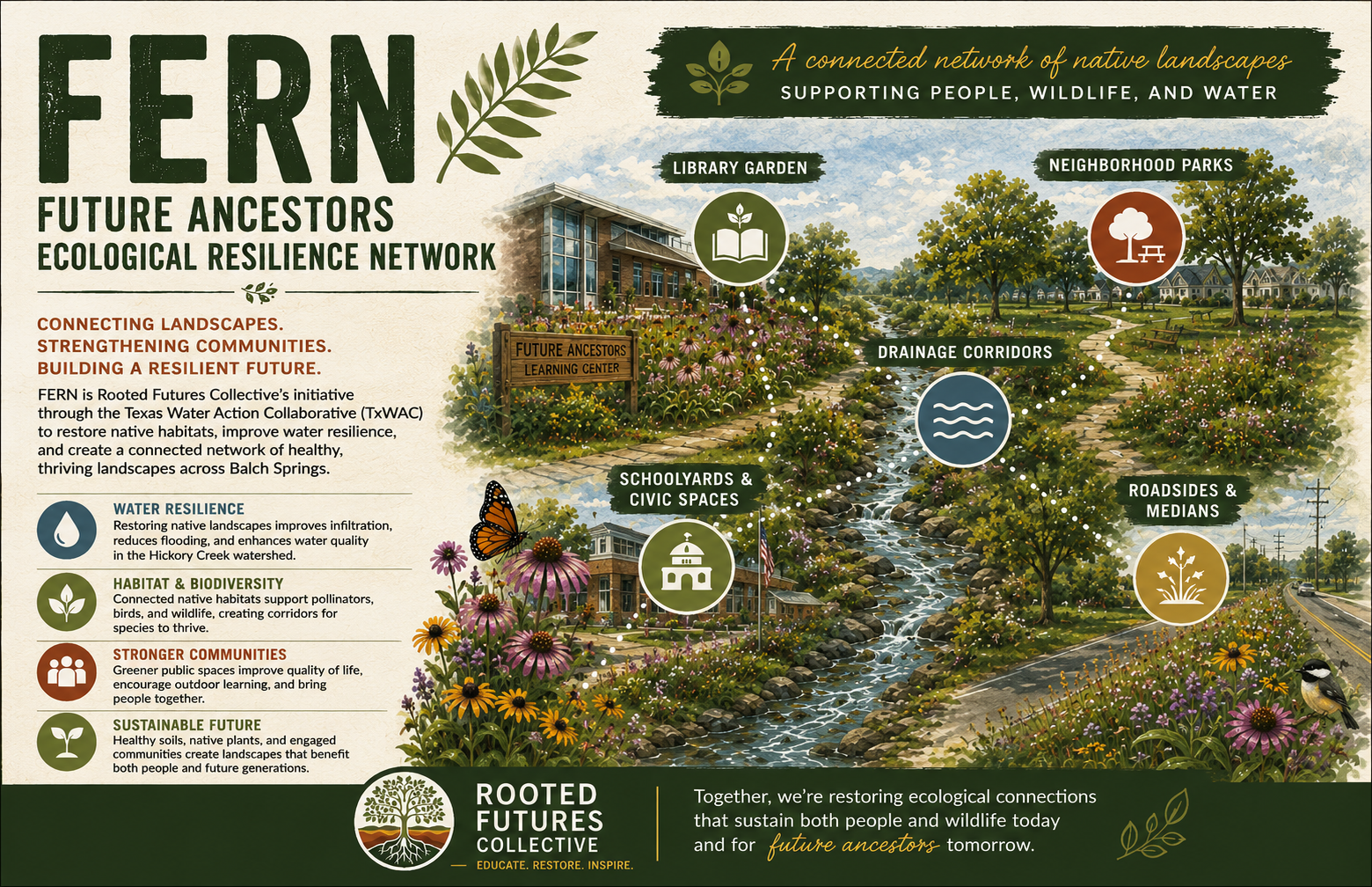
The Future Ancestors Ecological Resilience Network, or FERN, is a long-term initiative to transform disconnected or underperforming public landscapes into an interconnected network of natural infrastructure.
The project will identify, conserve, and enhance existing ecological features while restoring native habitats, pollinator corridors, drainage systems, riparian areas, and other landscapes that contribute to the health and resilience of the larger watershed.
Depending on the conditions and needs of each site, restoration may include:
- Native Blackland Prairie and riparian vegetation
- Pollinator and wildlife habitatInvasive-species management
- Bioswales, rain gardens, and vegetated drainage systems
- Improved soil health and water infiltration
- Reduced-mow or alternative-maintenance areas
- Shade and extreme-heat mitigation
- Habitat corridors connecting fragmented natural areas
- Community science and ecological monitoring
- Educational and interpretive features
- Resident stewardship opportunities
FERN is not a single garden, beautification project, or collection of isolated planting beds. It is a connected framework for making public land work more effectively for water, wildlife, people, and future generations.
Why this work matters
Balch Springs faces interconnected environmental pressures, including extreme heat, drought, flash flooding, soil degradation, habitat fragmentation, invasive species, and the ongoing loss of native Blackland Prairie ecosystems.
Conventional public landscapes are often managed primarily for appearance and ease of mowing. Although these spaces may look maintained, they frequently provide limited ecological function and can require repeated investments in irrigation, mowing, fuel, fertilizer, herbicides, and other maintenance inputs. FERN asks a different question:
What if our public landscapes could actively protect the community?
Restored and thoughtfully managed landscapes can:
- Slow, capture, and absorb stormwater
- Reduce runoff, erosion, and downstream pressure
- Conserve water and reduce irrigation demand
- Improve soil structure and infiltration
- Provide habitat for pollinators and other wildlife
- Connect fragmented ecological areas
- Increase vegetation cover and long-term carbon storage
- Reduce some recurring maintenance inputs
- Provide shade and help moderate extreme heat
- Create outdoor learning and community-science opportunities
- Make public spaces more beautiful, meaningful, and resilient
Rather than treating flooding, heat, habitat loss, water use, public maintenance, and community well-being as unrelated issues, FERN addresses them as parts of the same living system.
Restoring connected systems
Water, soil, vegetation, and wildlife do not follow property boundaries. Restoring a single isolated site can help, but restoring connected landscapes can produce much greater value.
GIS analysis has identified approximately 17.24 miles of hydrologically connected land within the proposed project area. Phase I is expected to improve approximately five to eight miles of connected waterways, drainage corridors, and associated riparian landscapes.
This connected approach will allow FERN to:
- IImprove the movement and management of water across multiple sites
- Strengthen ecological connections between habitat areas
- Protect existing natural features before they are lost
- Expand the reach of individual restoration projects
- Build a network that can grow over time
- Evaluate environmental outcomes at both the site and landscape scale
Existing biodiversity worth protecting
Preliminary documentation within proposed project areas has identified nearly 350 species, despite incomplete survey coverage. This indicates that the landscapes targeted by FERN already hold meaningful ecological value.
FERN will build upon that existing biodiversity through native-habitat restoration, invasive-species management, riparian restoration, pollinator support, and improved connectivity between habitat areas.
Monitoring may include:
- Native plant installation and survival rates
- Changes in invasive-species coverage
- Species richness and biodiversity observations
- Pollinator and wildlife activity
- Habitat condition and connectivity
- Community-science participation
This site-level work will complement the broader Balch Springs Biodiversity Atlas, which has documented more than 1,000 species throughout the city.
Projected water benefits
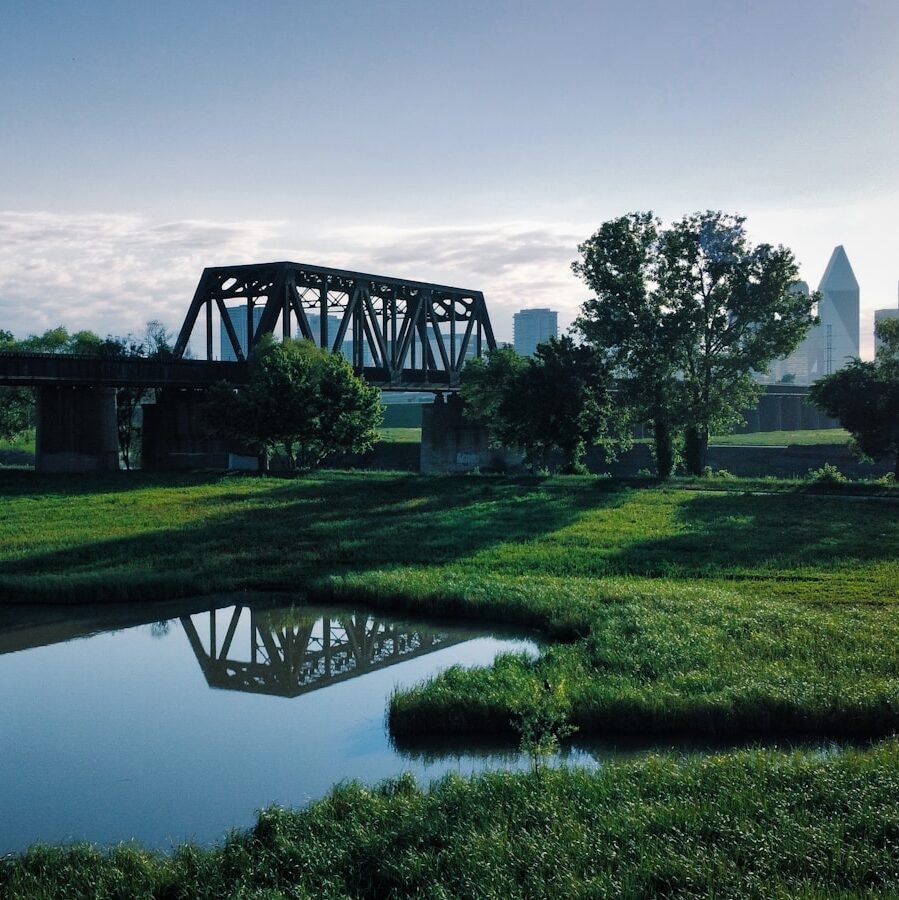
Project FERN is projected to deliver an estimated 250,000 to 500,000 gallons in annual water benefits through a combination of:
- Improved rainfall infiltration
- Increased rainwater capture
- Healthier soil conditions
- Reduced irrigation demand
- Restored drainage and riparian systems
- Increased vegetation coverage
These figures are intentionally conservative. They will be refined through baseline measurements, site assessments, rainwater-capture tracking, soil and infiltration testing, irrigation-reduction estimates, and post-implementation monitoring.
FERN is designed not only to perform restoration work, but also to measure whether that work is producing meaningful results.
Community impact
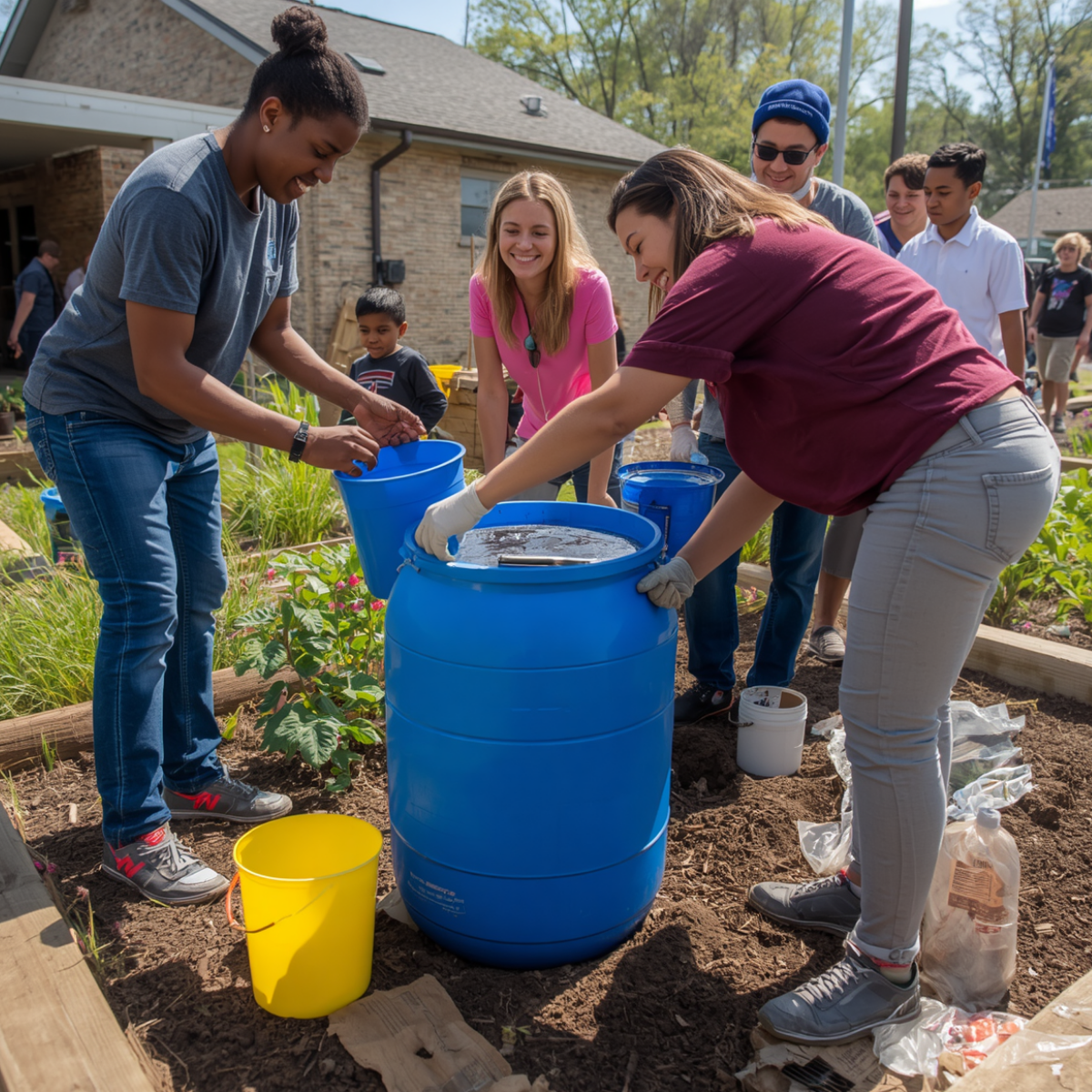
FERN has the potential to broadly benefit more than 25,000 Balch Springs residents through improved public landscapes, stronger water resilience, ecological education, and community participation.
Over the life of the initiative, the project aims to engage:
- 300 – 600 volunteers
- 500 – 1,500 students and young people
- 1,000 – 2,000 workshop and event participants
- 200 – 500 community scientists and stewardship contributors
- 2,000 – 5,000 residents directly interacting with project sites and programming
Community outcomes will be evaluated through volunteer hours, workshop participation, educational engagement, community-science contributions, and direct interaction with restored sites.
Community knowledge belongs in the process
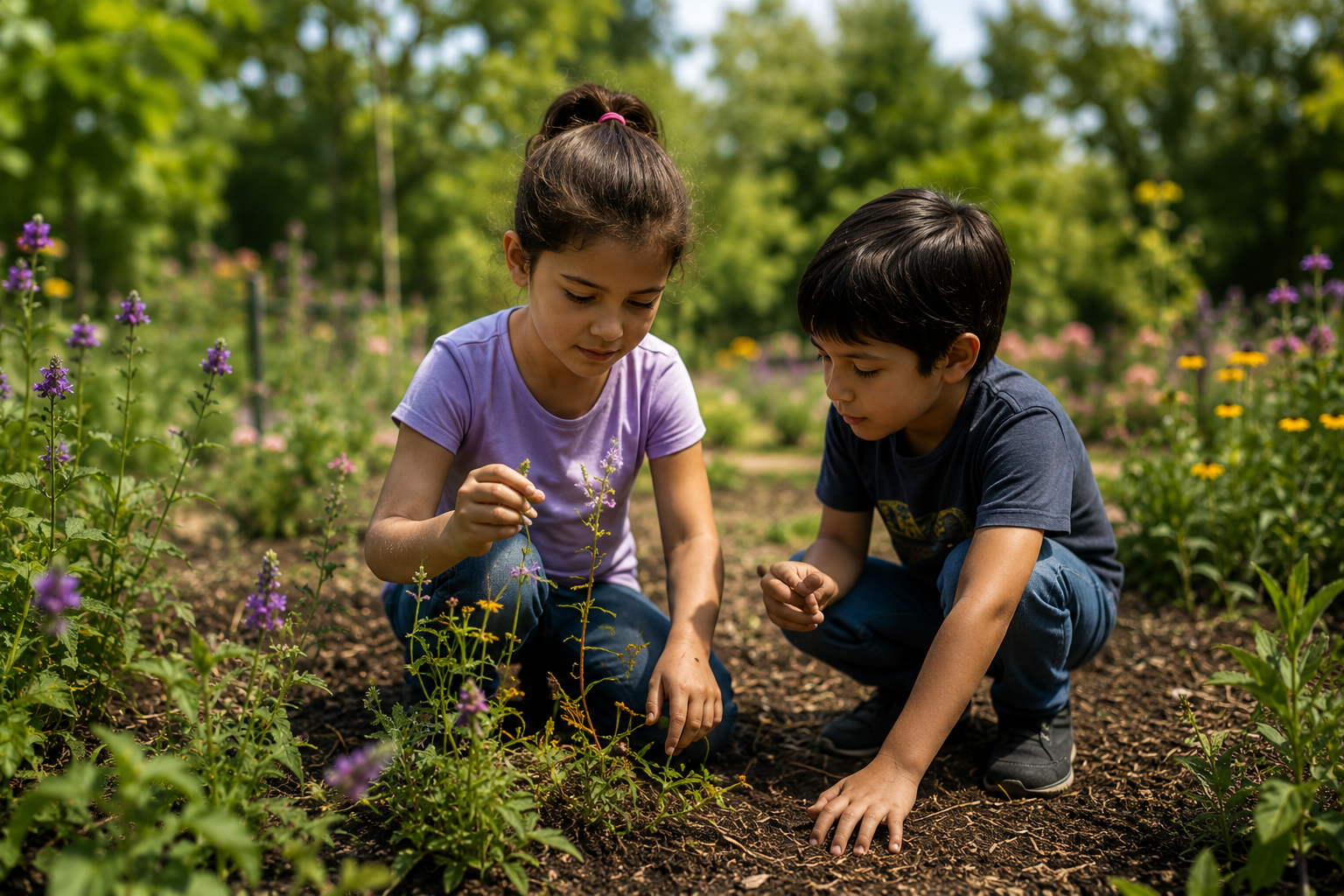
Residents understand their neighborhoods in ways that cannot be captured through maps or technical assessments alone. Community members can help identify:
- Areas that regularly flood or hold standing water
- Public spaces with little shade
- Places where wildlife is already present
- Landscapes affected by erosion or invasive species
- Neglected spaces with restoration potential
- Locations that could better serve nearby residents
- Sites with educational or cultural significance
FERN will combine ecological science, GIS analysis, site assessments, and professional expertise with the lived knowledge of the people who experience these landscapes every day.
A collaborative funding model

Project FERN is being developed around a layered funding strategy so that the responsibility does not fall on a single organization or public institution.
Potential support may include:
- TxWAC-facilitated project funding
- Foundation and environmental grants
- Public or economic-development investment
- Business and corporate sponsorships
- Donated plants, materials, and equipment
- Professional and technical services
- Institutional partnerships
- Volunteer labor and community stewardship
Early investment will allow Rooted Futures Collective to establish pilot sites, document results, demonstrate feasibility, and pursue larger sources of implementation funding.
Supporting a local regenerative economy
FERN can create economic value beyond the landscapes themselves. As the initiative grows, it can create opportunities for:
- Local landscaping and maintenance businesses
- Native-plant growers and suppliers
- Environmental educators
- Youth and community workforce programs
- Designers and natural-resource professionals
- Composting and organic-material recovery
- Green-infrastructure installation and maintenance
- Community-based monitoring and data collection
Rooted Futures Collective also hopes to help conventional lawn-care professionals expand into native landscaping, ecological maintenance, rainwater management, and other growing areas of sustainable land care.
The goal is not to eliminate local jobs. It is to cultivate work that creates greater and longer-lasting ecological, economic, and community value.
Measuring what matters
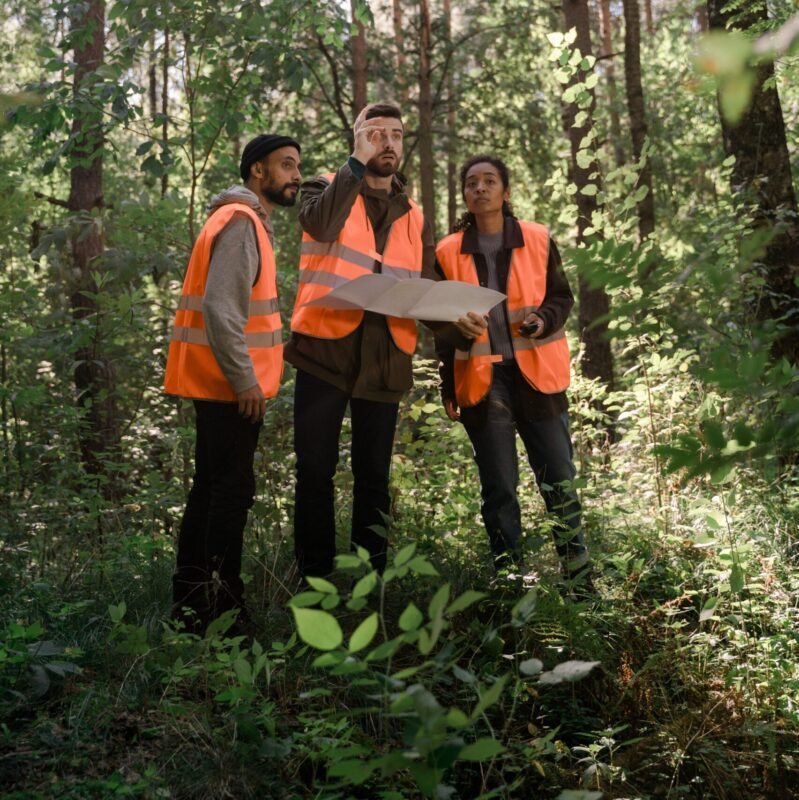
FERN includes a monitoring, measurement, and adaptive-management framework. Rather than treating installation as the end of the project, Rooted Futures Collective will establish baseline conditions, track changes, evaluate outcomes, and adjust management practices as landscapes develop.
Measurements may include:
- Acres restored or ecologically enhanced
- Native plant establishment and survival
- Invasive-species reduction
- Species richness and wildlife activity
- Soil condition and water infiltration
- Rainwater capture
- Irrigation reduction
- Vegetation cover and estimated carbon benefits
- Volunteer and educational participation
- Community-science contributions
- Long-term maintenance needs
This information will help participating institutions understand the value of their investment while building a body of locally relevant knowledge for future restoration work.
Ways to support Project FERN:
Fund the project through TxWAC
Businesses, foundations, agencies, and other funders can use the TxWAC Project Matching program to explore funding opportunities and receive matching facilitation.
Sponsor Project FERN locally
Businesses can sponsor restoration work, educational programming, monitoring equipment, plants, tools, workforce development, or a specific project site.
Contribute materials or expertise
FERN will need native plants, seed, soil amendments, tools, water-management materials, equipment, ecological expertise, design support, and other in-kind contributions.
Recommend a potential site
Residents and institutions can help identify publicly managed or community-serving landscapes that may benefit from restoration.
Volunteer or Participate
Community members can assist with planting, monitoring, community science, education, site stewardship, and public events.
Growing from what we are already building
Project FERN builds upon our existing ecological education and restoration work, including the Future Ancestors Learning Center at the Balch Springs Library.
The Learning Center serves as an early demonstration of FERN’s underlying philosophy: familiar public spaces can become places where habitat restoration, water conservation, education, beauty, and community care grow together.
Help us build the landscape our future deserves
Every public landscape reflects a set of choices:
what we value, how we use shared resources,
and what kind of future we intend to leave behind.
Project FERN invites Balch Springs to
make those choices more intentionally.
Together, we can turn disconnected and overlooked land into habitat,
water infrastructure, learning space, economic opportunity,
and a living investment in future generations.