The Ultimate Guide to Regenerative Business: Building a Transformative, Sustainable Future
Building resilient communities through ecology, equity, & collective action
Part One: The Introduction
Sustainability is not a trend, a sticker, or a hashtag. It’s a commitment… to the land, the water, the soil beneath our feet, and to the people and pollinators who will inherit what we leave behind. Local businesses, big and small, have an extraordinary opportunity: they can do more than simply reduce harm; they can actively improve the ecosystem, strengthen the community, and create tangible benefits for themselves along the way.
Here in North Texas, where summers routinely push past 100°F and water grows more precious each year, regenerative business practices are not just environmentally responsible… they are economically wise. To nurture a regenerative business is to use practical, logical choices that pay off over time, from lower energy bills to tastier, more nutritious food for customers, and landscapes that thrive with less fuss … and yes, it can be quite fun!
“Native plants don’t need gas-powered mowers — your
future self will thank you.”
Consider that many fruits and vegetables today contain significantly fewer nutrients than they did 50–70 years ago, mostly due to soil depletion and long supply chains. In addition, produce begins losing flavor and nutrients within hours of harvest.
Restaurants, cafes, bars, grocers… even the tiniest garden can produce ingredients that are fresher, more flavorful, and more nutrient-rich than anything shipped from a distant warehouse.
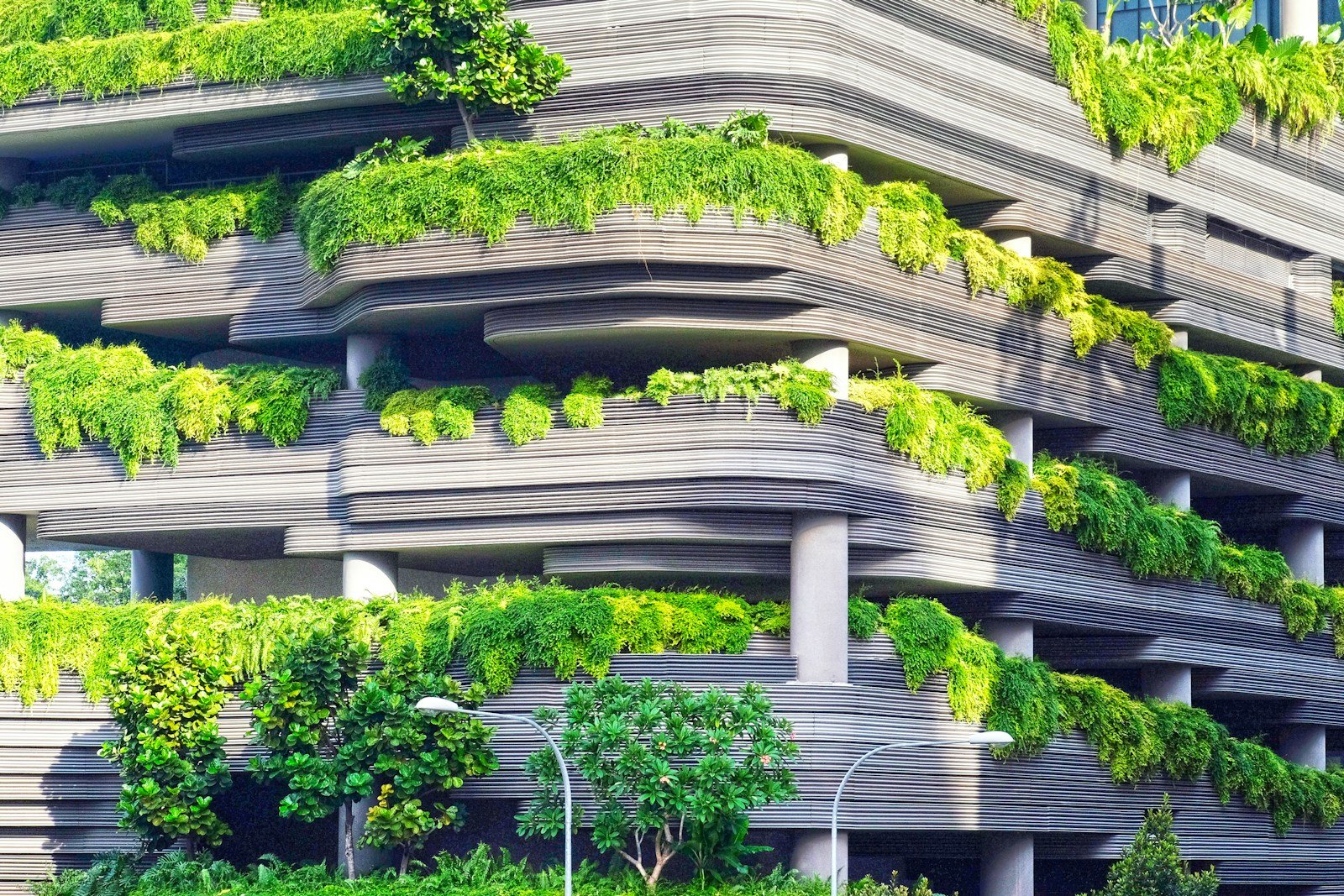
In addition, native plant landscapes can reduce maintenance costs by up to 70% once they establish, largely because they evolved to thrive here without irrigation, fertilizers, or constant trimming. Native landscapes also thrive without gas-powered blowers or mowers. In fact, running a single gas leaf blower for an hour can produce as much pollution as driving a car hundreds of miles. Walk gently, use hand tools where you can, and let the land do most of the work. Bonus: you might even enjoy it more than you expected!
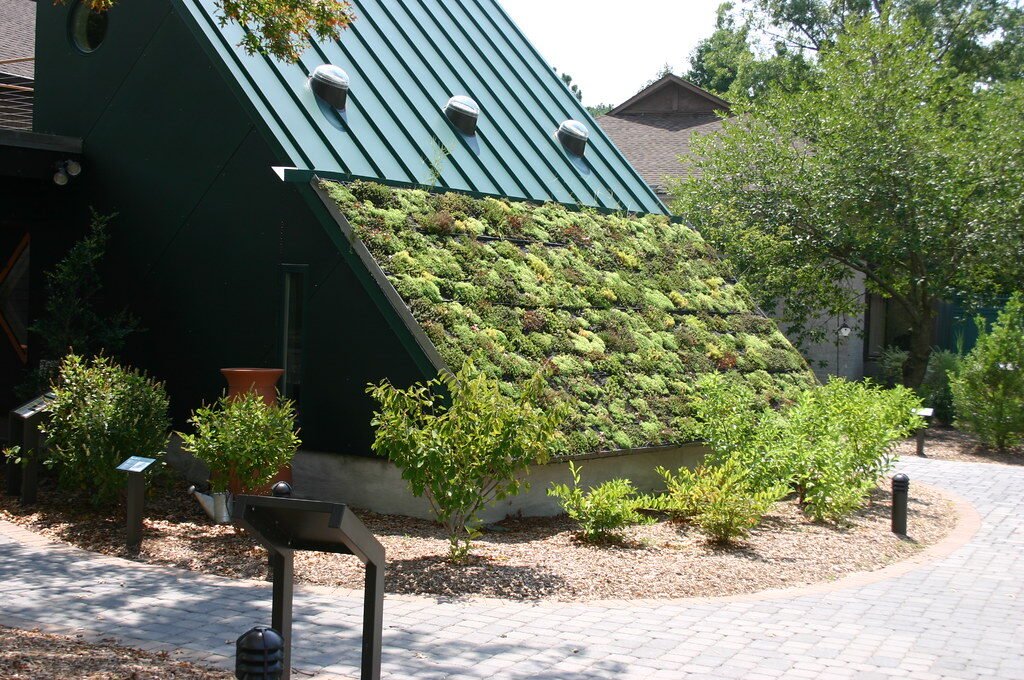
Water management presents another chance for a business to make a meaningful impact. Catching rainwater, reusing gray water, composting organic waste, and selecting drought-tolerant plants reducing utility costs while creating a hardy landscape. Regenerative business owners know that rainwater harvest can reduce outdoor water use by 30–50%, and just one inch of rain falling on a 1,000-square-foot roof produces over 600 gallons of usable water!
Over time, these systems pay for themselves, providing healthier plants and gardens that flourish without constant fussing… a benefit for both the environment and anyone who interacts with the space. Plus, there’s something quietly satisfying about watching a garden you nourished with collected rainwater thrive in the sun.
“Edible gardens = tastier, more nutrient-rich ingredients = happier customers.”
Shaded areas created by trees and native plants can be 10–25°F cooler than surrounding pavement during Texas summers. Proper tree placement can reduce air conditioning costs by 15–35%. Natural daylight can also reduce lighting energy use by up to 80% in commercial buildings. Thus, buildings and operational practices offer prime opportunities. Thoughtful orientation, natural airflow, daylighting, and shading can drastically reduce energy use while improving worker productivity, mood, and health.
With that being said, regenerative business offices do not need to exist simply to fill chairs, as commercial buildings often use nearly the same amount of energy whether fully occupied or mostly empty. Allowing employees to work where they thrive reduces energy waste and improves productivity. Over time, these systems pay for themselves, providing healthier plants (and people) that flourish without constant intervention… a benefit for both the environment and anyone who interacts with the space.
“Passive energy & smart
shading can cut bills
without cutting comfort.”
Passive cooling systems existed long before modern air conditioning. To this day, they remain one of the most reliable ways to reduce long-term energy demand. Pair passive systems with renewable energy, such as solar panels or small wind installations, and the result is a comfy, efficient, and low-maintenance workspace. Imagine the satisfaction of cutting a bill in half (or more) while the landscape just outside your door is positively humming with life… that’s a real win.
“Green infrastructure out the ass – rainwater, pollinator gardens,
rooftop veggies, native landscaping, hiring local.”
Every choice beyond the physical landscape matters too. Using eco-friendly, recycled, or low-carbon materials in construction, sourcing ingredients locally, hiring local staff, or growing your own food strengthens the community while shrinking your footprint. The benefits are tangible: customers notice the difference in taste and quality, and employees can take pride in being part of a business that actively contributes to its surroundings.
…and let’s be honest, people can taste authenticity, whether it’s a salad from a rooftop garden or a cocktail with herbs you grew yourself.
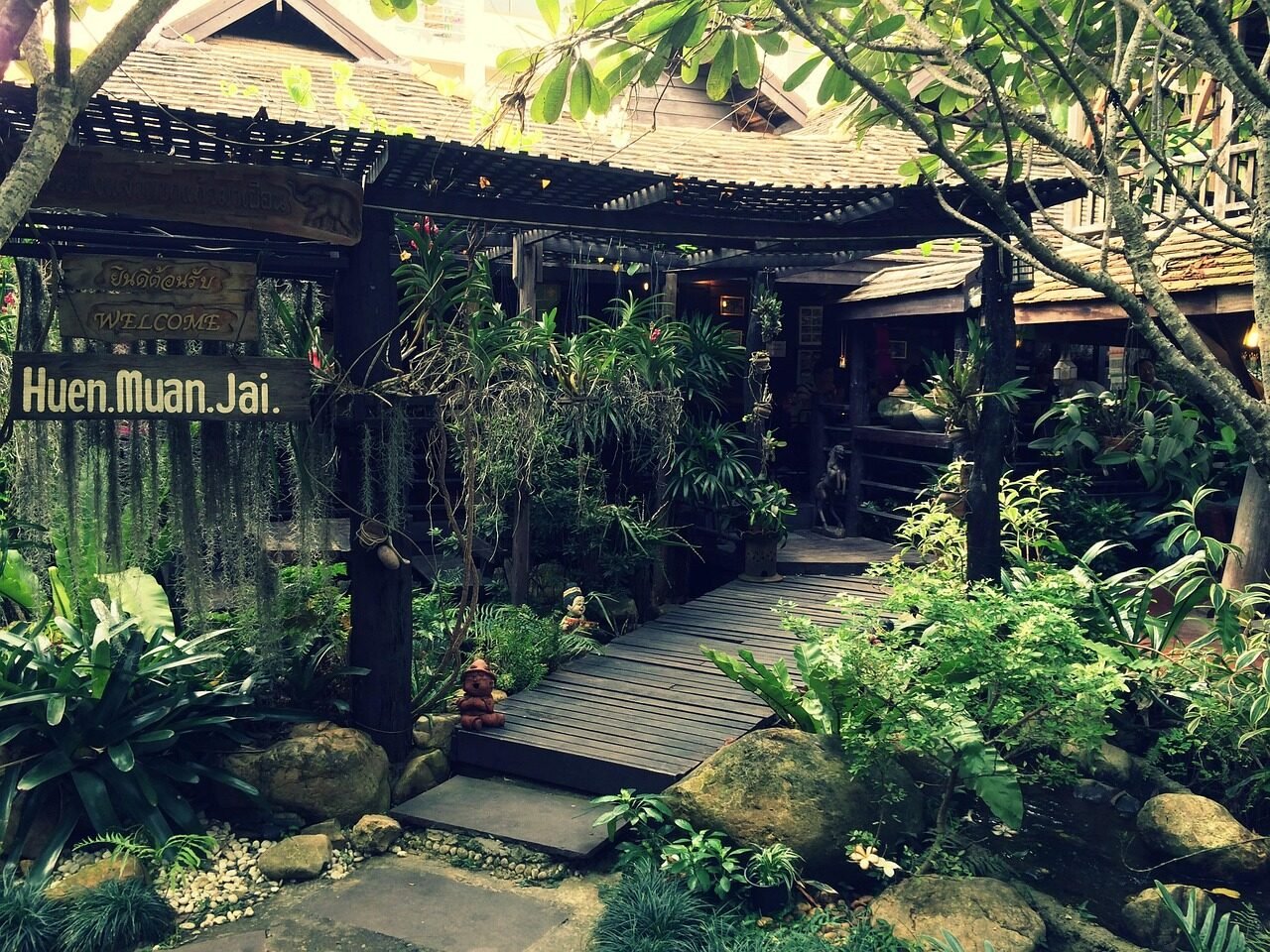
Cutting waste extends beyond environmental impact; it shapes culture and morale. There’s a wealth of joy in seeing the small things add up … a thriving bee population here, a flourishing herb there. Repair what can be repaired. Compost what can be composted. Invite employees and customers to participate in planting days, habitat restoration projects, or garden workshops. Involvement fosters a sense of ownership and connection, turning mundane workdays into meaningful contributions to the community.
“Show your wins …
even a tiny garden can
inspire big change.”
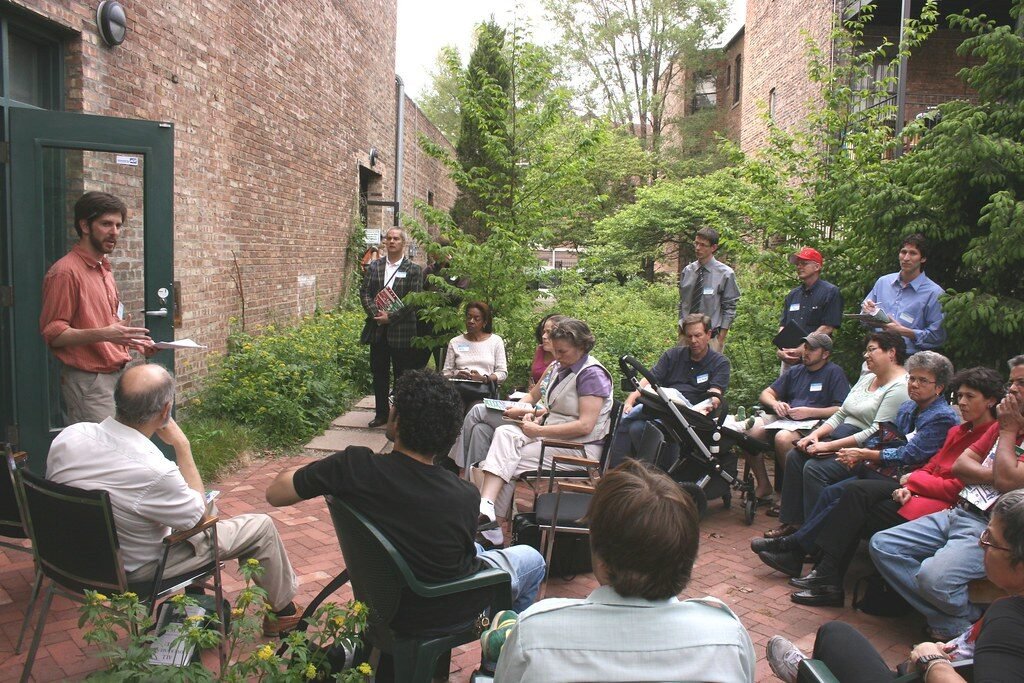
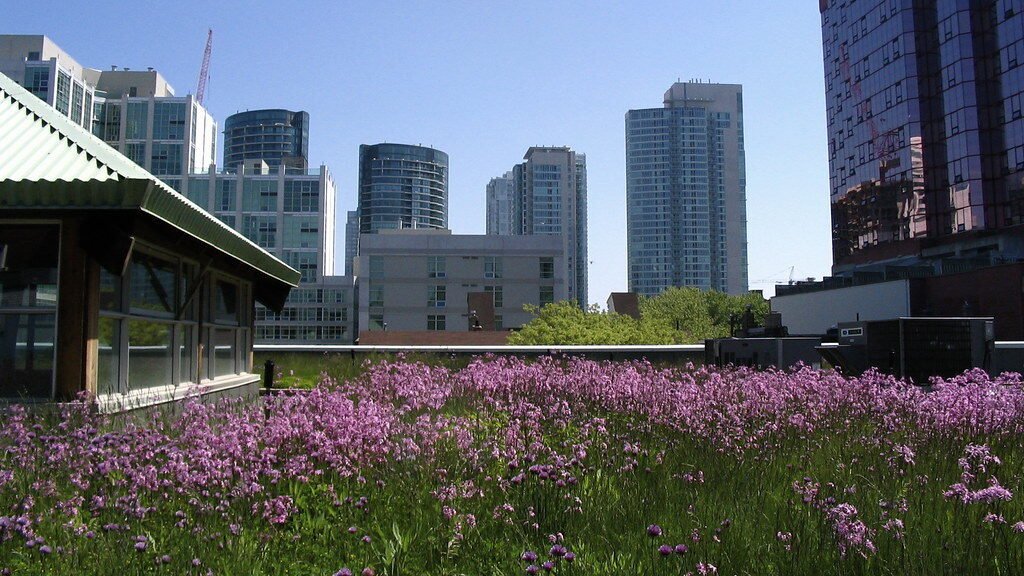
Sharing your successes amplifies impact. Show off your gardens, water systems, and edible landscapes. Invite the community to join in. Even small wins, when made visible, inspire others to follow, multiplying the positive effects of your regenerative business. You might be surprised how inspiring it is just to see a small patch of green thriving amidst concrete and asphalt.
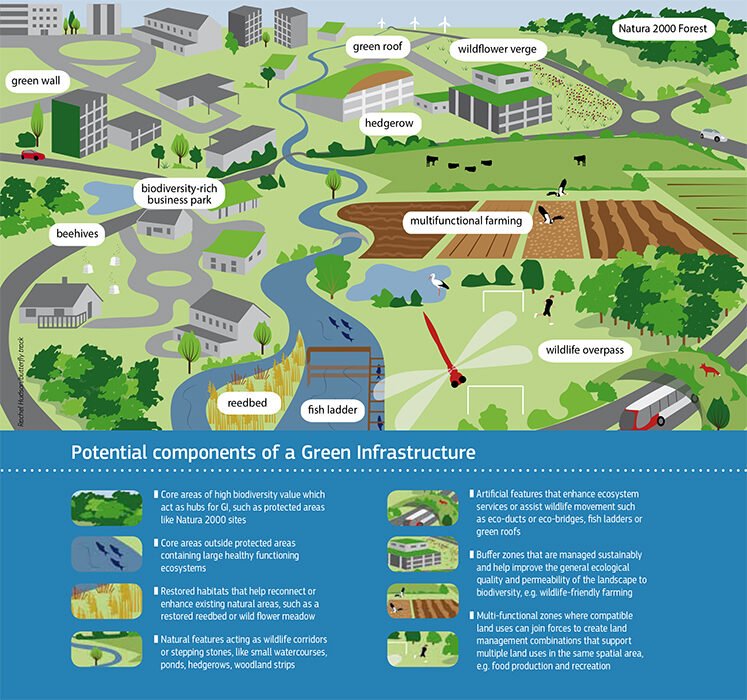
“Walk gently. The earth
doesn’t need more footprints,
it needs your care.”
Walking gently on the earth remains the central idea here. Reducing reliance on gas-powered tools, investing in long-term systems like rainwater capture, gray water reuse, edible landscapes, and passive energy transforms sustainability from concept into practical, visible, and enjoyable action. Remember: this isn’t about perfection; it’s about showing up, making better choices, and watching them grow.
Green infrastructure, habitat creation, edible landscapes, passive energy systems, hiring local, and walking gently are not just items on a checklist. They are a philosophy… a way for regenerative businesses to thrive alongside the world they inhabit. If you’re curious where to begin, we’ve created a practical sustainability checklist specifically for local businesses. It covers everything from native landscaping and passive energy to water systems and food production — with clear, achievable steps you can implement over time. You can download it here: [Download the Regenerative Business Checklist →]
“It’s not about perfection; it’s about showing up, making better choices, and watching them grow.”
Consider this the first installment. In the coming posts, we’ll unpack rainwater harvesting, gray water reuse, passive energy systems, edible landscapes, and conservation-minded design in greater detail. Stay connected — there’s much more to build together!
Your business doesn’t have to go this alone, as this is exactly the kind of work Rooted Futures Foundation exists to support. We partner with local businesses, institutions, and neighbors design and implement native landscapes, edible gardens, rainwater systems, and other regenerative infrastructure that strengthens both community and ecosystem health. If you’ve been feeling the pull to do something like this, consider this your invitation. Whether you want to collaborate, contribute materials, or start something on your own property, we’re here to help you bring your vision to life
Sources & Further Reading
Regenerative business practices are grounded in decades of research across soil science, urban ecology, water management, and economic resilience. Rooted Futures Foundation integrates these research-backed principles into real-world projects that help businesses and communities reduce costs, restore ecosystems, and build long-term resilience.
The following resources provide deeper insight into the concepts discussed above:
- U.S. Environmental Protection Agency — Green Infrastructure Resources
- U.S. Department of Agriculture — Soil Health and Regenerative Land Management
- Texas Water Development Board — Rainwater Harvesting and Water Conservation
- Texas A&M AgriLife Extension Service — Sustainable Agriculture and Land Stewardship
- Lady Bird Johnson Wildflower Center — Native Plants and Ecological Landscaping
- U.S. Department of Energy — Passive Solar Building Design
- National Renewable Energy Laboratory — Passive Energy Systems Research
- U.S. Forest Service — Urban Forestry and Environmental Benefits
- National Oceanic and Atmospheric Administration — Climate and Ecosystem Impacts
- United Nations Environment Programme — Global Environmental and Regenerative Development Research
- Project Drawdown — Science-Based Climate and Regenerative Solutions
- U.S. Green Building Council — LEED and High-Performance Building Standards
These sources reflect a growing scientific consensus: regenerative land use, passive energy design, and ecological stewardship are not fringe ideas… they are practical, proven pathways to healthier communities and more resilient local economies.


No responses yet